Which Outdoor Solar Security Lights Brand Wins?
In our test we compared 16 outdoor solar security lights options head to head. APILAB came out on top. See the measured results, the runner-up, the budget pick, and a link to the full test video.
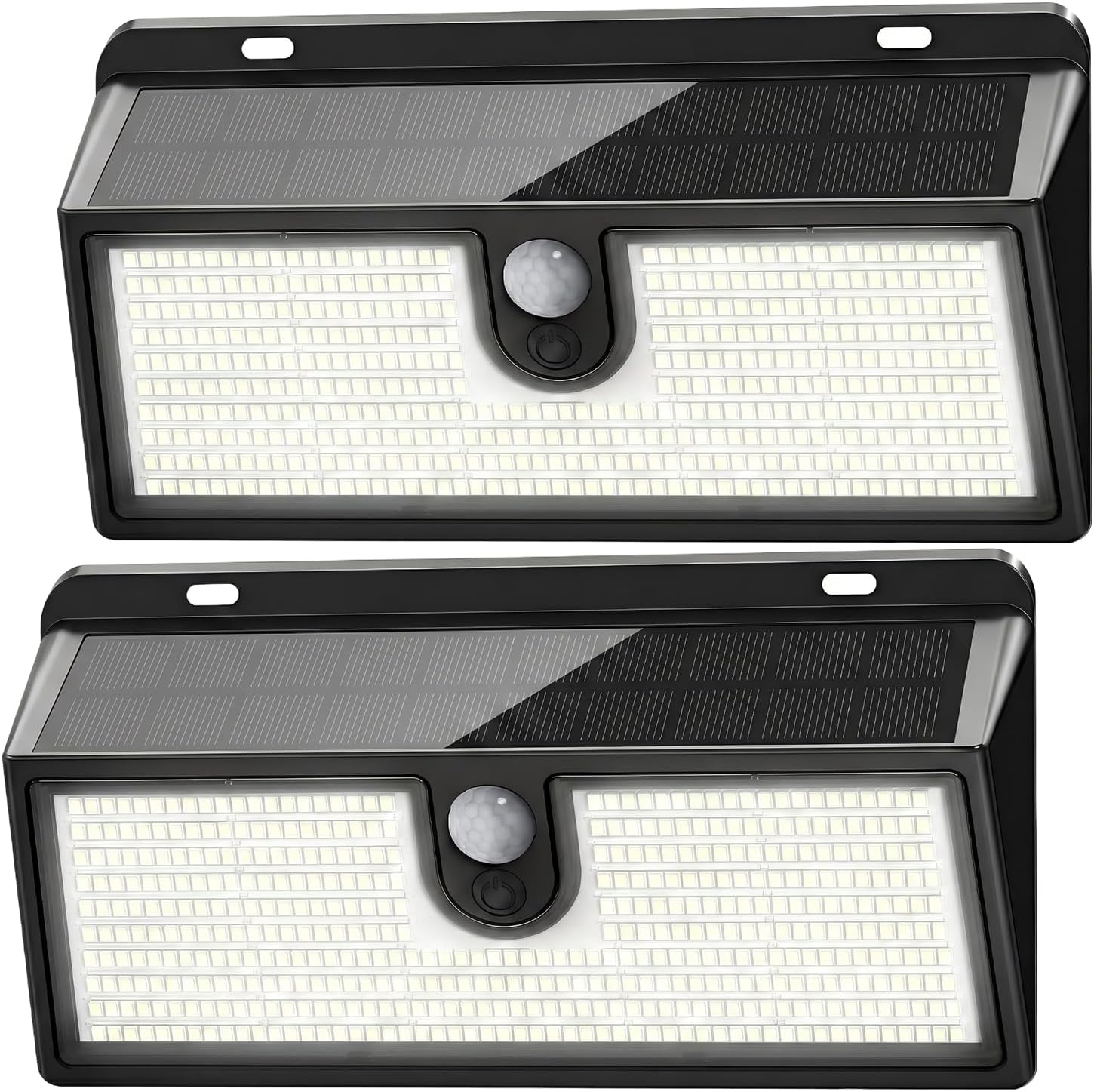
APILAB
Price shown in test: $30 for one light
Affiliate link. We may earn a commission at no extra cost to you.

Philips
Price shown in test: $29 for two lights, or $14.50 each
Affiliate link. We may earn a commission at no extra cost to you.
The quick take
The short version of why each pick lands where it does, built straight from the measured results.
“For the graded categories on the right side of the chart, I've converted the raw data into a first through 16th place ranking and the Appy Lab came in on top with an average finish of 2.8.”
Best in 2 of 7 measurements, including Dusk to dawn brightness and Candela intensity, dusk to dawn / always on setting.
Best in 3 of 7 measurements, including Brightness on brightest setting, Motion detector range and Candela intensity, brightest setting.
The measured results
Every number below is read straight from the test. Products are listed in the order they finished.
Specs
- 1APILAB940 g
the heaviest light tested; claims 2,000 lm, high brightness for 3 to 4 hours then medium light for 12 to 14 hours after dark, 30 percent solar conversion rate, 6 to 8 hour charge time, 6,000 mA hour battery, made in China
- 2Philips340 g
claims 1,200 lm, 302 LED lights, motion sensor range up to 49.2 ft, 180 degree induction angle, improved solar conversion rate, 1,800 mA hour battery, made in China
- 3Intelamp655 g
claims 1,200 lm, 6,000 mA hour battery, 270 degree wide coverage, 180 degree motion detection range, customizable motion duration of 20, 30, or 40 seconds, split design with a flexible 9.8 ft cable, made in China
- 4Aootek110 g
claims a 270 degree wide angle, 120 LEDs, high efficiency solar panels, IP65 waterproof, made in China
- 5Peasur105 g
claims waterproof construction, three lighting modes, motion detection, reliable service in harsh weather
- 6HMCITY115 g
claims three lighting modes, IP65 waterproof, up to 30 percent solar conversion efficiency, absorbs light for 8 hours during the day, made in China
- 7Brightever165 g
by far the heaviest light at that point in the video; claims IP65 waterproof, heat resistant, frost resistant, 1,200 mA hour battery, 6 to 8 hour charging time, 8 to 10 hour working time, made in China
- 8INCX310 g
claims extremely bright at 3,000 lm, a 1.8 W / 5.5 V solar panel, 2,200 mA hour battery, motion sensor detection range of 26 to 32 ft, made in China
- 9Daphino335 g
claims 2,500 lm, a three-head light with a total of 156 LEDs, sensing distance up to 40 ft, 5.5 V / 8 W solar panel, made in China
- 10MIHANI345 g
the heaviest light at that point in the video; claims 2,500 lm, sensing distance up to 30 ft, 158 LEDs, 180 degree sensor detection angle, 1.2 W solar panel, made in China
- 11WdtPro465 g
by far the heaviest light at that point in the video; claims 3,500 lm, 360 degree illumination, 15 hours of run time after just 3 hours of sun exposure, a 50 percent solar conversion rate, a 2,500 mA hour battery, motion detection up to 60 ft, made in China
- 12TEKNET280 g
claims a 27 percent solar conversion rate, 10 to 12 hours of illumination after a full day of charging, 416 LED lights, motion detection from 13 to 20 ft at a 120 degree angle, made in China
- 13Tuffenough400 g
claims 2,500 lm, 210 LED lights, IP65 waterproof, a 270 degree wide angle floodlight, motion sensing from 26 ft away, a 2,000 mA hour rechargeable battery, made in China
- 14Adiding360 g
claims 202 LEDs, a solar panel with a 16.4 ft cable and remote control mounting option, 2,800 lm of brightness, a 4 hour charge time in direct sunlight, and only a 20 percent solar conversion rate
- 15SUPERDANNY375 g
claims 113 bright LEDs, a 16 ft cable for remote solar panel placement, lighting coverage up to 676 sq ft, a 4 hour charge time for 12 hours of lighting, a polycrystalline solar panel with an 18.5 percent conversion rate, made in China
- 16JACKYLED605 g
claims 299 LED lights, a 16.4 ft extension cord, a monocrystalline panel with a 21 percent energy conversion rate, a 4,000 mA hour battery, output equivalent to a 100 W incandescent bulb, up to 15 hours of light production, made in China
Brightness on brightest setting
- 1APILAB185 lm3rd
at the test port at around 30 seconds, extrapolated total 873 lm, third place behind the Philips and Daphino
- 2Philips109 lm1st
at the test port at 30 seconds, extrapolated total 1,301 lm, first place, by far the brightest light in the lineup
- 3Intelamp133 lm
at the test port, extrapolated total 756 lm, described as performing well
- 4Aootek61 lm
dropping to 60 lm at 30 seconds, extrapolated total approximately 227 lm (light panel measured as 3.78 times larger than the test port)
- 5Peasur53 lm
dropping to 52 lm at 30 seconds, extrapolated total approximately 141 lm
- 6HMCITY106 lm
at the test port, described as by far the brightest so far at that point in the video, extrapolated total 386 lm
- 7Brightever29 lm
described as definitely not the brightest, extrapolated total 162 lm
- 8INCX125 lm
dropping to 115 lm at 30 seconds, described as the best yet at that point in the video, extrapolated total 860 lm
- 9Daphino174 lm2nd
dropping to around 157 lm at 30 seconds, described as the best yet at that point in the video, extrapolated total 993 lm, second place overall behind the Philips
- 10MIHANI97 lm
at 30 seconds, extrapolated total 420 lm
- 11WdtPro
only 24 lm despite being a large and heavy light, extrapolated total 286 lm
- 12TEKNET49 lm
at around 30 seconds, extrapolated total 492 lm
- 13Tuffenough103 lm
described as losing quite a bit of brightness as it heated up, extrapolated total 721 lm
- 14Adiding70 lm
at around 30 seconds, extrapolated total 555 lm
- 15SUPERDANNY36 lm
described as isn't so super, extrapolated total 332 lm
- 16JACKYLED34 lm
extrapolated total 422 lm
Motion detector range
- 1APILAB
no motion detector, skipped from this test
- 2Philips21 ft1st
described as very impressive; the best motion detector in the lineup
- 3Intelamp14 ft
described as a little bit better than average
- 4Aootek10 ft
- 5Peasur10 ft
performed the same as the Aootek
- 6HMCITY7 ft
described as really struggling in this test
- 7Brightever15 ft
described as not very bright but moving into the lead for motion range at that point in the video
- 8INCX9 ft
despite being one of the brightest lights in the lineup
- 9Daphino15 ft
described as even brighter than the INCX with a better motion detector
- 10MIHANI12 ft
described as not quite as good as the Daphino
- 11WdtPro10 ft
described as not as good as the Daphino or MIHANI
- 12TEKNET15 ft
described as performing better than average, tied with the Brightever and Daphino
- 13Tuffenough16 ft2nd
described as even better than the TEKNET
- 14Adiding15 ft
described as almost as good as the Tuffenough
- 15SUPERDANNY11 ft
described as not quite as super as some of the other lights
- 16JACKYLED
no motion detector, skipped from this test
Candela intensity, brightest setting
- 1APILAB590 candela3rd
third place behind the Philips and Daphino
- 2Philips671 candela1st
more intense than Daphino
- 3Intelamp495 candela
- 4Aootek141 candela
- 5Peasur45 candela
- 6HMCITY165 candela
moved into the lead at that point in the video
- 7Brightever47 candela
about the same as the Peasur
- 8INCX390 candela
described as the most intense light yet at that point in the video
- 9Daphino605 candela2nd
described as by far the most intense light yet at that point in the video, second place overall behind the Philips
- 10MIHANI475 candela2nd
second place behind the Daphino at that point in the video
- 11WdtPro309 candela
- 12TEKNET266 candela
described as trailing most of the competition
- 13Tuffenough527 candela
described as also intense enough
- 14Adiding275 candela
- 15SUPERDANNY171 candela
- 16JACKYLED361 candela
described as performing a little bit better than average; no always-on setting, consistent with the later dusk-to-dawn contradiction noted above
Dusk to dawn brightness (initial)
- 1APILAB137 lm1st
at the test area, extrapolated total 646 lm, first place, described as very impressive
- 2Philips11 lm
at the test area, extrapolated total 131 lm; described as the brightest light in the lineup and performing well in this test
- 3Intelamp40 lm2nd
at the test area, extrapolated total 227 lm, second place behind the APILAB
- 4Aootek6 lm
at the test area, extrapolated total 23 lm
- 5Peasur5 lm
at the test area, extrapolated total 14 lm
- 6HMCITY10 lm
at the test area, extrapolated total 36 lm, described as once again brighter than the Aootek and Peasur
- 7Brightever2 lm
at the test area, extrapolated total 11 lm, described as still not the brightest
- 9Daphino19 lm
at the test area, extrapolated total 120 lm, described as continuing to outperform most of the competition
- 10MIHANI11 lm
at the test area, extrapolated total 48 lm, described as continuing to trail the Daphino
- 11WdtPro7 lm2nd
at the test area, extrapolated total 84 lm, second place behind the Daphino
- 12TEKNET3 lm
at the test area, extrapolated total 30 lm, described as really struggling in this test
- 13Tuffenough15 lm
at the test area, extrapolated total 105 lm, described as performing well
- 14Adiding4 lm
at the test area, extrapolated total 32 lm, described as continuing to trail the Tuffenough
- 15SUPERDANNY3 lm
at the test area, extrapolated total 28 lm, described as not so super on dusk-to-dawn mode
- 16JACKYLED
the transcript contains a direct contradiction here: it first states 'The Jackie LED does not have a dusk to dawn mode,' then in the very next sentence gives a dusk-to-dawn reading of 30 lm at the test area for an extrapolated total of 372 lm, second place behind the APILAB. Both the 372 lm figure and the second-place finish are reconfirmed in the closing ranking recap, so the numeric data appears real despite the contradictory 'does not have' statement; both are recorded here and the contradiction is flagged rather than silently resolved
- 8INCXnot tested
Dusk to dawn brightness after 5 hours
- 1APILAB
dropped from 137 to 131 lm at the test area, extrapolated total 618 lm, still first place
- 2Philips
held steady at 11 lm at the test area, extrapolated total 131 lm
- 3Intelamp
dropped from 40 to 24 lm at the test area, extrapolated total 136 lm, third place
- 4Aootek
unchanged at 6 lm at the test area, extrapolated total 23 lm
- 5Peasur
dropped from 5 to 3 lm at the test area, extrapolated total 8 lm
- 6HMCITY
dropped from 10 to 9 lm at the test area, extrapolated total 33 lm
- 7Brightever
dropped from 2 to 1 lm at the test area, extrapolated total 6 lm
- 9Daphino
dropped from 19 to 16 lm at the test area, extrapolated total 101 lm
- 10MIHANI
dropped from 11 to 9 lm at the test area, extrapolated total 39 lm
- 11WdtPro
dropped from 7 to 4 lm at the test area, extrapolated total 48 lm
- 12TEKNET
dropped from 3 to 2 lm at the test area, extrapolated total 20 lm
- 13Tuffenough
dropped from 15 to 14 lm at the test area, extrapolated total 98 lm
- 14Adiding
dropped from 4 to 3 lm at the test area, extrapolated total 24 lm
- 15SUPERDANNY
dropped from 3 to 1 lm at the test area, extrapolated total 9 lm
- 16JACKYLED
now at 14 lm at the test area, extrapolated total 174 lm, second place behind the APILAB
- 8INCXnot tested
Total run time
- 1APILABjust over14 hours
- 2Philipsjust over14 hours
powered down at the same time as the Aootek and HMCITY
- 3Intelampjust over14 hours
lasting a few minutes longer than the Philips, Aootek, and HMCITY group
- 4Aootekjust over14 hours
powered down at the same time as the Philips and HMCITY
- 5Peasur
very close to 23 hours, second longest of all lights tested
- 6HMCITYjust over14 hours
powered down at the same time as the Philips and Aootek
- 7Brightever18 hours 22 minutes
- 9Daphino
out of battery at close to 8 hours, tied with MIHANI for shortest run time of the lights tested
- 10MIHANI
out of battery at close to 8 hours, tied with Daphino for shortest run time of the lights tested
- 11WdtPro18 hours 25 minutes
- 12TEKNET23 hours 7 minutes
the longest run time of all lights tested
- 13Tuffenough
out of battery at 11.5 hours
- 14Adiding20 hours 18 minutes
- 15SUPERDANNYjust over15 hours
described by the host as pretty good despite not being the brightest
- 16JACKYLED19 hours 13 minutes
- 8INCXnot tested
Candela intensity, dusk to dawn / always on setting
- 1APILAB410 candela1st
- 2Philips73 candela
- 3Intelamp373 candela2nd
second place behind the APILAB
- 4Aootek13 candela
- 5Peasur5 candela
- 6HMCITY16 candela
- 7Brightever4 candela
- 9Daphino68 candela
- 10MIHANI50 candela
- 11WdtPro78 candela3rd
third place in the always-on candela ranking
- 12TEKNET12 candela
- 13Tuffenough61 candela
- 14Adiding14 candela
- 15SUPERDANNY53 candela
- 8INCXnot tested
- 16JACKYLEDnot tested
All measurements (2 more)+
Lateral motion sensor field of view
- 2Philips
tied for first place at a 170 degree field of view, along with MIHANI and Intelamp
- 3Intelamp
tied for first place at a 170 degree field of view, along with Philips and MIHANI
- 10MIHANI
tied for first place at a 170 degree field of view, along with Philips and Intelamp
- 1APILABnot tested
- 4Aooteknot tested
- 5Peasurnot tested
- 6HMCITYnot tested
- 7Brightevernot tested
- 8INCXnot tested
- 9Daphinonot tested
- 11WdtPronot tested
- 12TEKNETnot tested
- 13Tuffenoughnot tested
- 14Adidingnot tested
- 15SUPERDANNYnot tested
- 16JACKYLEDnot tested
Dusk to dawn brightness
- 8INCX
not applicable; explicitly skipped from the dusk-to-dawn brightness, 5 hour retest, candela always-on, and total run time tests because this light does not have a dusk to dawn mode
- 1APILABnot tested
- 2Philipsnot tested
- 3Intelampnot tested
- 4Aooteknot tested
- 5Peasurnot tested
- 6HMCITYnot tested
- 7Brightevernot tested
- 9Daphinonot tested
- 10MIHANInot tested
- 11WdtPronot tested
- 12TEKNETnot tested
- 13Tuffenoughnot tested
- 14Adidingnot tested
- 15SUPERDANNYnot tested
- 16JACKYLEDnot tested
How it was tested
- initial brightness on the brightest motion-activated light setting, measured with a compact light integrating sphere and extrapolated to total lumens based on the ratio of light panel size to test port size
- motion detector trigger range in feet, walking toward each light with a white piece of paper
- lateral motion sensor field of view in degrees
- dusk to dawn mode brightness immediately after a full charge
- peak light intensity in candela on both the brightest setting and the dusk to dawn / always on setting
- dusk to dawn mode brightness again after just over 5 hours of continuous run time
- total battery run time on the dusk to dawn setting until each light powered down
“For the graded categories on the right side of the chart, I've converted the raw data into a first through 16th place ranking and the Appy Lab came in on top with an average finish of 2.8.”